
About The AIPG 2026
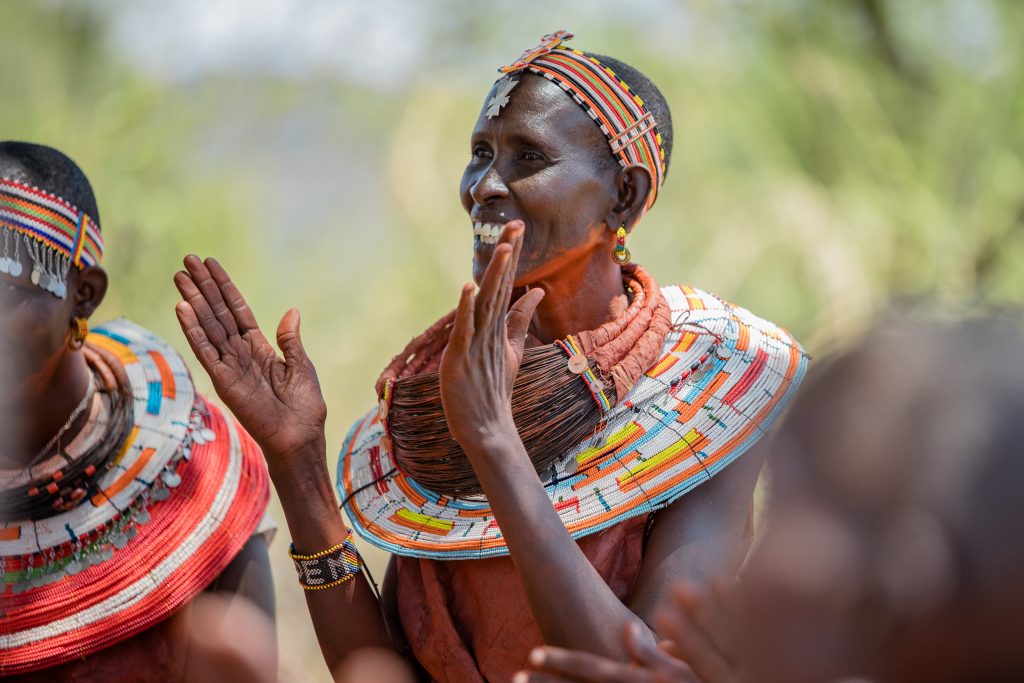
The African Indigenous Pastoralists Gathering is a decisive platform for the 268 million pastoralists who manage over 43% of the African landmass. While nomadic and transhumance pastoralism are among the world’s most dynamic and sustainable livelihoods, these communities remain on the front lines of a global climate emergency they did not create.
This gathering builds upon the momentum of the Camel Caravan 2025, the Community Land Summit 2025, the Pastoralist Women’s Forum, and the East Africa Youth Pastoralist Gathering. Now that the UN International Year of Rangelands and Pastoralists (IYRP 2026) is officially underway, we are moving beyond discussion to active leadership. We are here to ensure that the stewardship of our rangelands—which sequester up to 20-30 tonnes of carbon per hectare—is recognized as a vital pillar of global climate resilience and biodiversity conservation.
Key Objectives
Finalize a Unified African Agenda: Consolidate a common policy position to be presented at the UNCCD COP17 in Mongolia, showcasing locally grounded pastoralist innovations.
Amplify Indigenous Leadership: Ensure that pastoralists are recognized as “right-holders” rather than mere stakeholders in the implementation of global IYRP activities.
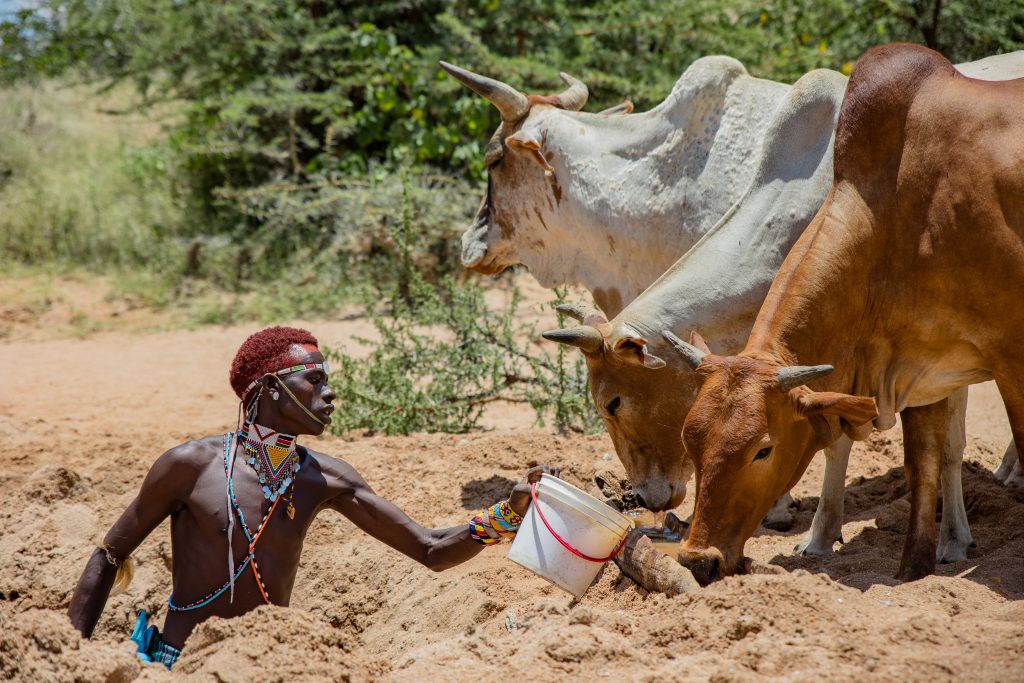
Demand Climate Justice: Advocate for direct access to financial resources for pastoralist communities to sustain their environmental stewardship amid escalating droughts and water scarcity.
Secure Land Sovereignty: Strengthen collaboration between communities and governments to address the growing threats of land grabs, insecure tenure, and extractive industries.
Foster Long-Term Partnerships: Build strategic alliances that ensure rangelands continue to contribute to sustainable development and the achievement of the SDGs far beyond 2026.
Expected Outcomes
- Harmonized Voices: Consolidated and unified messages from African pastoralists on the value and challenges of rangeland management report and communique developed -to be shared at the International Year of Rangelands and Pastoralism in Mongolia, 2026 and other strategic spaces.
- Knowledge Documentation: Collection of compelling stories and case studies on pastoralist resilience, environmental stewardship, and contributions to local and national economies.
- Policy Advocacy: Development of common policy positions for national, regional, and international platforms, including IYRP 2026 and UNCCD COP17,with a focus on climate adaptation, drought resilience, and biodiversity conservation.
- Visibility and Recognition: Showcasing pastoralism as a cultural identity, livelihood system, and biodiversity conservation model rooted in indigenous knowledge
- Inclusive Representation: Highlighting the specific roles of women, youth, elders, and PWDs in sustaining pastoral livelihoods and shaping future strategies
- Strengthened Networks: Enhanced collaboration among pastoralist organizations, governments, and development partners towards shared advocacy and action, particularly to address the climate emergency and its impacts, such as drought.
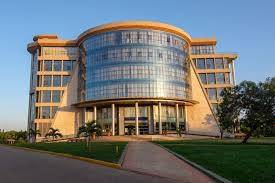

The African Indigenous Pastoralist Gathering venue
The African Indigenous Pastoralist Gathering is planned for January 25th to 29th 2026
at CBK Institute of Monetary Studies, Nairobi